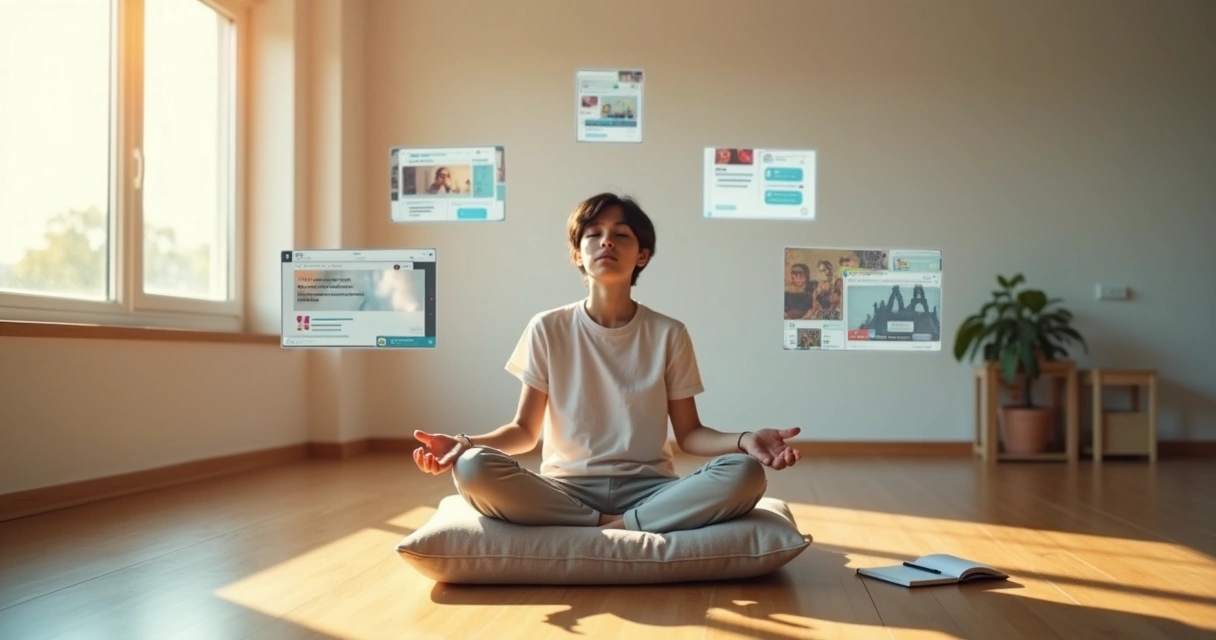

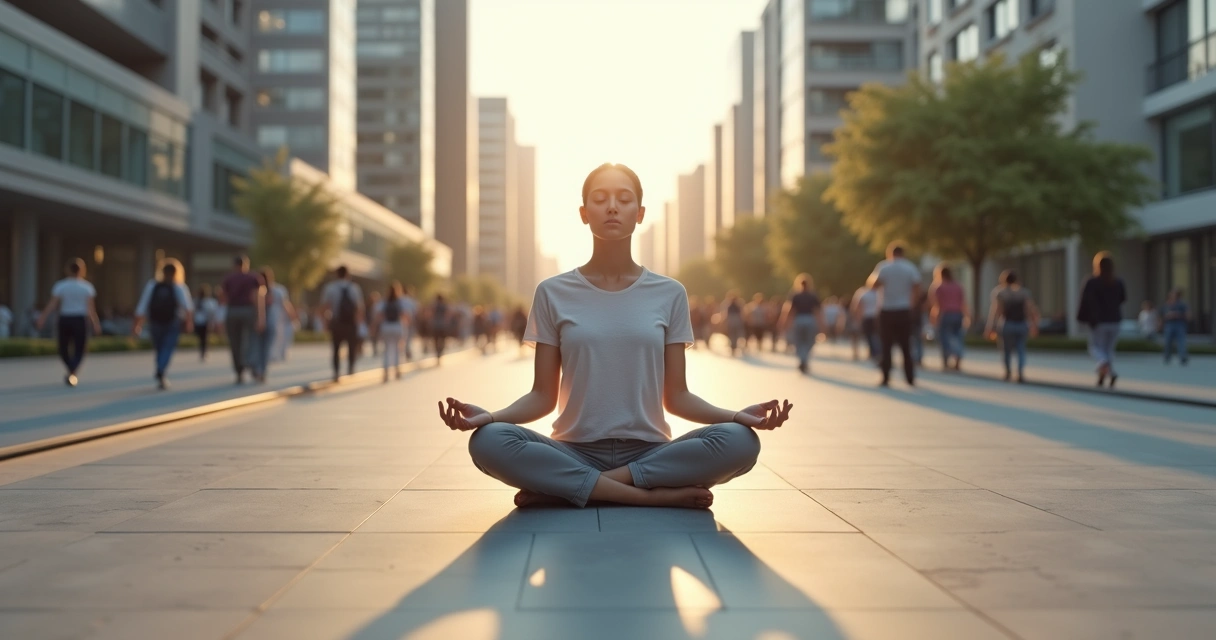
It is easy to notice that the way we handle our emotions shapes the world around us. Social stability—calm in our communities, fairness in relationships, and steadiness in workplaces—often begins with something very personal: self-regulation. This skill, often taken for granted, turns daily emotional ripples into healthy, collective waves. As we have observed, when people manage their impulses and emotions, entire social systems become more peaceful and clear.
How self-regulation works within us
Self-regulation is not just an academic term. It is the process of recognizing, accepting, and adjusting our thoughts and feelings before they turn into words or actions. Sometimes, it feels like holding a pause button on our reactions. Other times, it involves guiding our own behavior when life gets difficult or unpredictable.
Our brains play a starring role in this story. The prefrontal cortex—the area right behind our forehead—helps us recognize what we’re feeling, weigh our choices, and stop ourselves from acting on impulse. Meanwhile, the limbic system, buried deeper inside, is like a radar for strong emotions, such as fear or aggression. When we learn self-regulation, we are building a bridge between these two systems, allowing emotion and reason to work together.
Everyone regulates in slightly different ways. Some take a deep breath before responding in a tense meeting. Others count to ten before speaking in an argument. Though the methods vary, the science is clear: self-regulation rewires our stress responses, helping us act thoughtfully instead of reactively.
Why our emotional control shapes groups and society
We have seen what happens when people respond out of old wounds or let their emotions run the show—the group starts to wobble. Unchecked anger, anxiety, or hurt can spill out into decisions, relationships, and even entire communities. But something different happens when people are able to balance themselves inside.
- Decisions become less impulsive and more considerate.
- Discussions stay focused, even when disagreements arise.
- Trust grows, because others feel safer sharing ideas and emotions.
"Stability on the outside starts from stability within."
When a group or community reaches a tipping point where most people practice self-regulation, the social environment shifts. Conflicts get solved instead of exploding. Policies reflect care rather than reactivity. This ripple effect is not magic—it is science in action, visible in families, classrooms, teams, and nations alike.
The feedback loop: How environments and individuals shape each other
Social environments and personal regulation are tightly linked. On one hand, when people around us model calm, nonreactive behavior, we are likely to mirror it. On the other, chaotic or unsafe environments trigger impulsive reactions, making self-regulation even harder.
In our research, we have learned that this cycle works both ways:
- When one person remains calm during a heated moment, others often follow.
- As groups reward thoughtful reactions and discourage aggression, individuals find it easier to regulate.
- As more people practice regulation, the whole group becomes more stable.
In this way, stability and self-regulation feed each other, creating a cycle that can lift or sink a community.

What does science say about self-regulation and social order?
We have seen decades of studies showing that self-regulation lowers the risk of conflict in relationships, reduces school bullying, and even predicts how well a group will solve problems together. When individuals learn to pause, identify their emotional states, and choose their response, the effects ripple outward.
- Workplaces with higher self-regulation see less burnout and more cooperation.
- Families that encourage children to name and manage their feelings usually experience fewer outbursts.
- Communities where dialogue and reflection are valued tend to resolve problems without violence or escalation.
This is not only about avoiding dramatic conflicts, but also about increasing daily peace. People learn to trust each other when they see self-control in action, especially during disagreements.
In our experience, we find that each step toward self-regulation is a step toward a steadier society.
Barriers to self-regulation and stability
While self-regulation is possible for most people, there are blocks along the way. Some individuals never learned these skills in childhood. Others experience high stress or trauma, which makes it difficult to pause and reflect.
There are typical challenges:
- Chronic stress, making emotional management harder
- Poor emotional education in early life
- Social settings where aggression is rewarded or where people feel unsafe
It is not simply about willpower. Many need supportive environments or specific training to change old patterns. We have seen people gain significant control even after years of difficulty—once they receive support, safe relationships, and new ways to practice awareness.

Daily self-regulation practices for a more balanced society
No one is born with perfect self-regulation, but everyone can strengthen it over time. As we have worked with people from all walks of life, we have seen simple, science-backed habits that make a difference, such as:
- Taking a pause before responding, especially in heated moments
- Breathing deeply to steady the nervous system
- Noticing physical signs—tight shoulders, clenched jaw—as early warnings
- Journaling or naming emotions quietly to yourself
- Seeking feedback from trusted friends or mentors
Tiny daily actions, repeated over time, shape not just our moods, but the direction of our groups and societies.
With repeated practice, the “pause and choose” response grows more natural. Over time, it becomes the foundation of healthy workplaces, families, and communities.
Conclusion
We believe that self-regulation is much more than an individual skill. It is a foundation for social stability—a bridge between inner awareness and collective peace. Where individuals gain control over their own emotions, social groups benefit. Arguments become conversations, differences become strengths, and communities handle change with more unity. Day by day, small choices inside each of us shape the stability of everyone around us. This is not just theory; it is a path we can walk together, one steady step at a time.
Frequently asked questions
What is self-regulation in simple terms?
Self-regulation means noticing your feelings and thoughts and then choosing how to act on them, instead of reacting right away. It is like taking a moment to pause before doing or saying something, so actions match your values and goals.
How does self-regulation affect society?
When more people practice self-regulation, society becomes safer, calmer, and more fair. Less impulsive behavior leads to fewer conflicts, better decision-making, and a stronger sense of trust among people. Communities with higher self-control are more stable and resilient.
Why is social stability important?
Social stability helps people feel safe and supported, making it easier to work together and face challenges. When society is stable, there is less chaos, better cooperation, and more chances for everyone to do well.
How can I improve self-regulation?
Start by paying attention to your thoughts and emotions, especially during stressful moments. Simple habits such as pausing before reacting, deep breathing, and writing about your feelings can help. Practicing these steps daily makes it easier to respond calmly and make thoughtful choices.
What causes poor social stability?
Poor social stability often comes from many people acting on impulse, high stress, lack of trust, and unresolved emotional pain. When groups do not value open communication or emotional awareness, conflicts and chaos can spread. Environments with low self-regulation create more instability for everyone.